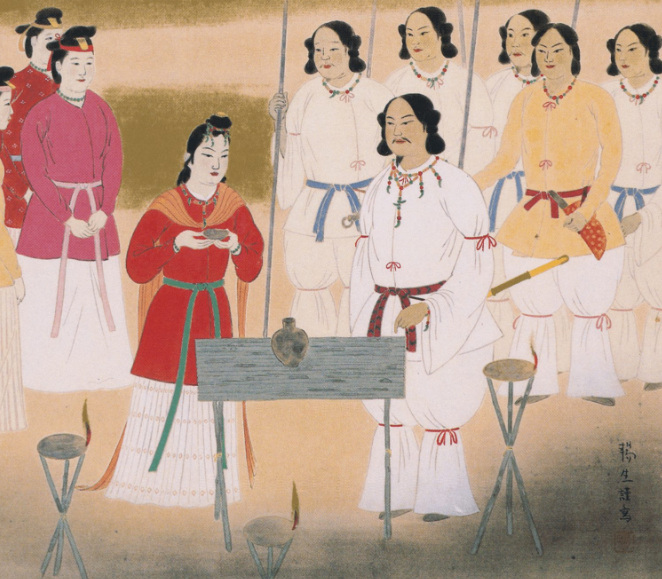
Shinto is the traditional religion of Japan, deeply connected to nature, harmony, and the Japanese way of life. The word “Shinto” means “the way of the gods.” It is not based on a single sacred book or founder, but rather on ancient Japanese beliefs that everything in nature—such as mountains, rivers, trees, and even people—has a spiritual essence called kami.
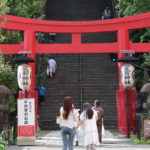
Shinto teaches respect for nature and ancestors, and many of its rituals aim to purify and maintain harmony between humans and the kami. Shrines (jinja) are sacred places where people go to pray for good fortune, success, and health. Visitors often purify themselves by washing their hands and mouth before praying.
Throughout the year, various festivals (matsuri) are held at shrines to celebrate the kami and the changing seasons. These events are colorful, lively, and play an important role in preserving community traditions.
Today, Shinto coexists peacefully with Buddhism and continues to influence Japanese culture, values, and daily life.
In other words, deities reside in various places and objects found at tourist destinations. Graffiti at shrines, temples, and other sacred sites like associated natural features is believed to bring misfortune as it shows disrespect to the gods. In Japan, this is called “batiatari,” and visitors are encouraged to observe these places quietly and with reverence.


No comments yet.